
Electrical inspection guides for homeowners
Plain language guides on panels, wiring, EV charging, solar and inspections, with the NEC references behind them. Written from fifteen years of inspecting electrical installations.
Panels and breakers
What happens inside the panel: upgrades, subpanels, problem brands, and the findings inspectors write up most.
- Service entrance cable: the one wire in your house with no breaker
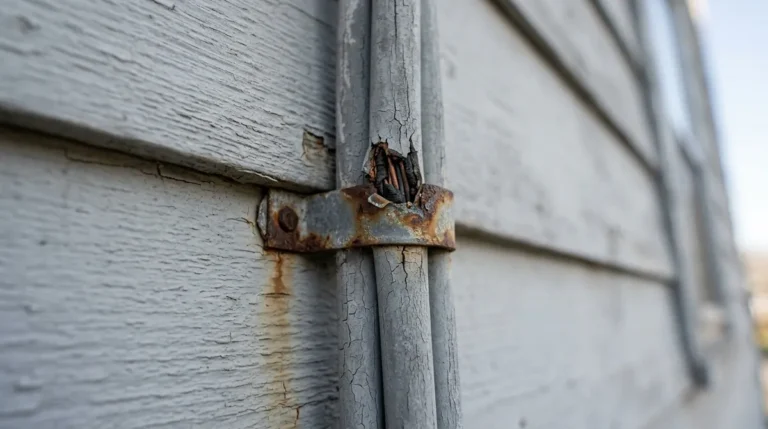 Service entrance cable runs from the utility to your main breaker with no protection of its own. Why a nail or a shovel there is so dangerous, and how to stay safe.
- Breaker Keeps Tripping: Overload, Short Circuit or Ground Fault?
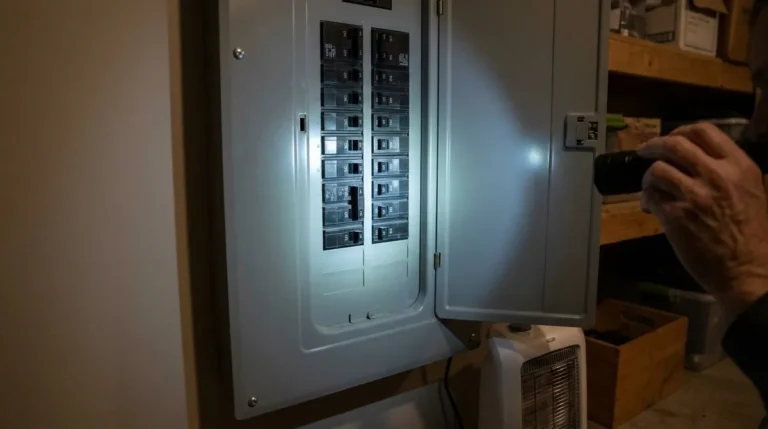 Breaker keeps tripping? Tell an overload from a short or ground fault by when it trips, and know when to stop resetting and call an electrician.
- Home Grounding System: How an American House Clears a Fault, and How Europe Does It Differently
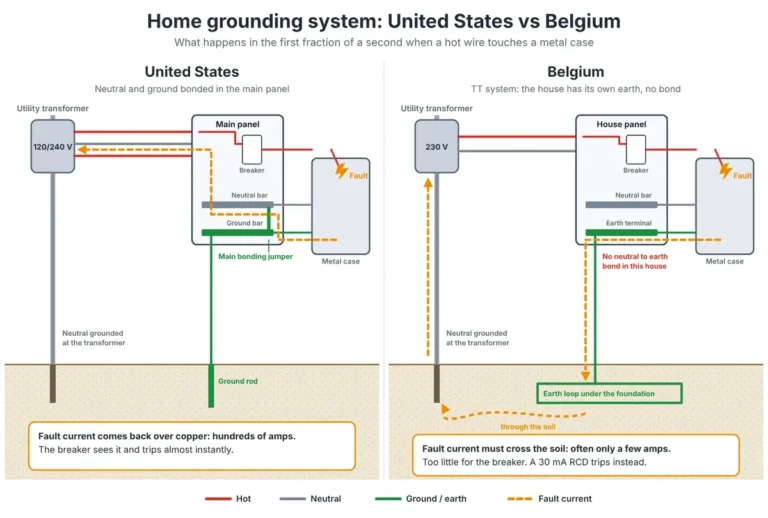 Home grounding system explained: why the ground rod is not the fault path, how your breaker clears a fault, and how European homes do it differently.
- Double Tapped Breakers: Why Inspectors Flag Them
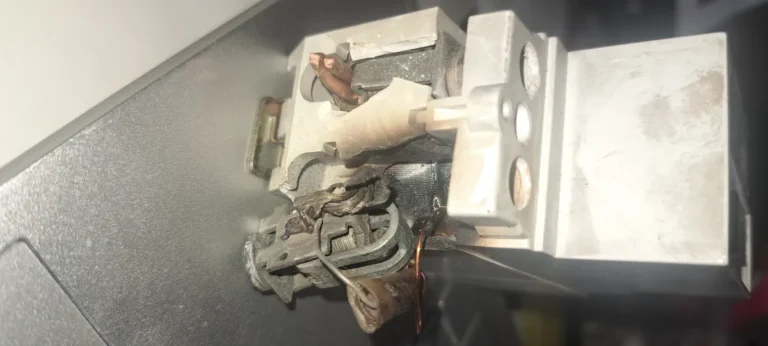 Double tapped breakers show up in a large share of home inspection reports, usually as one short line with a photo of… Read more: Double Tapped Breakers: Why Inspectors Flag Them
- 200 Amp Panel Upgrade: When You Actually Need It and What It Costs
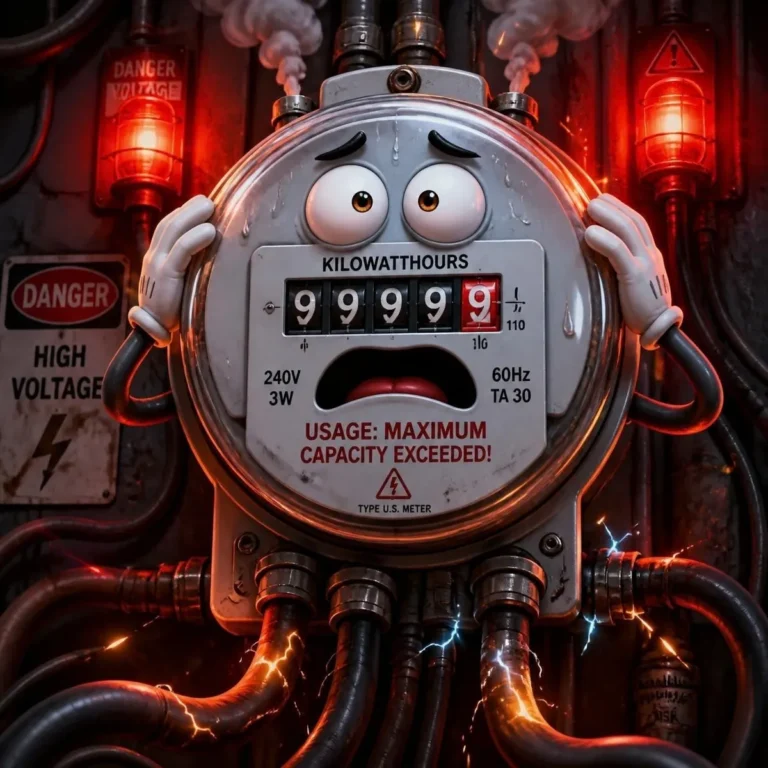 A 200 amp panel upgrade explained: when a load calculation says you need it, when you do not, what the job involves and what it costs in 2026.
- Subpanel in a Detached Garage: Feeder, Grounding and Common Mistakes
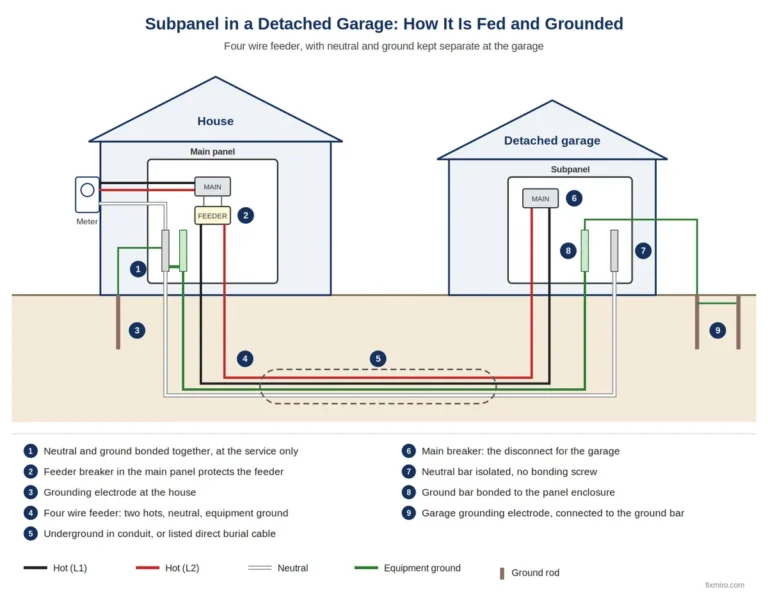 Subpanel in a detached garage: feeder size, the four wire rule, ground rods, disconnect and burial depth, plus the mistakes inspectors find most.
- Generator Interlock Kit vs Transfer Switch: Which One Is Right for Your Home
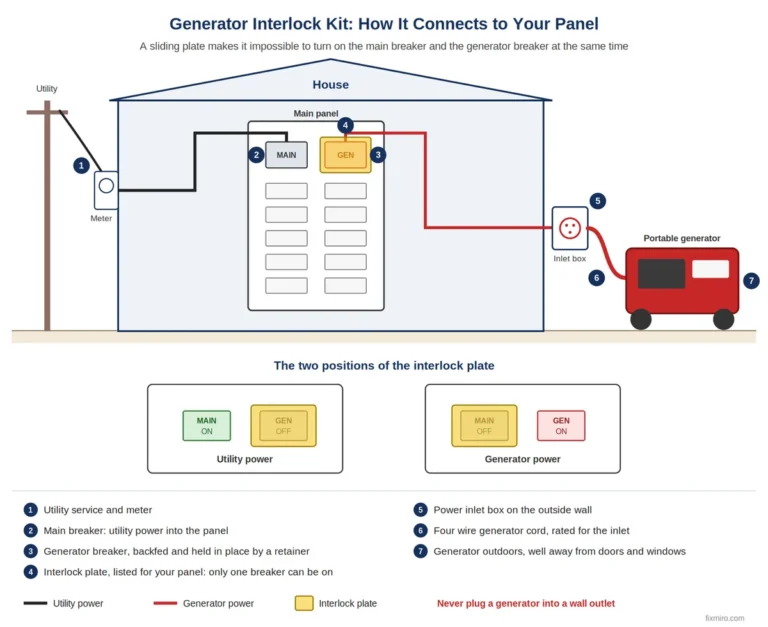 Generator interlock kit or transfer switch? How each one works, cost, flexibility, inspection details and the one hookup you should never use.
- Available Fault Current: Can Your Breaker Actually Stop a Short Circuit?
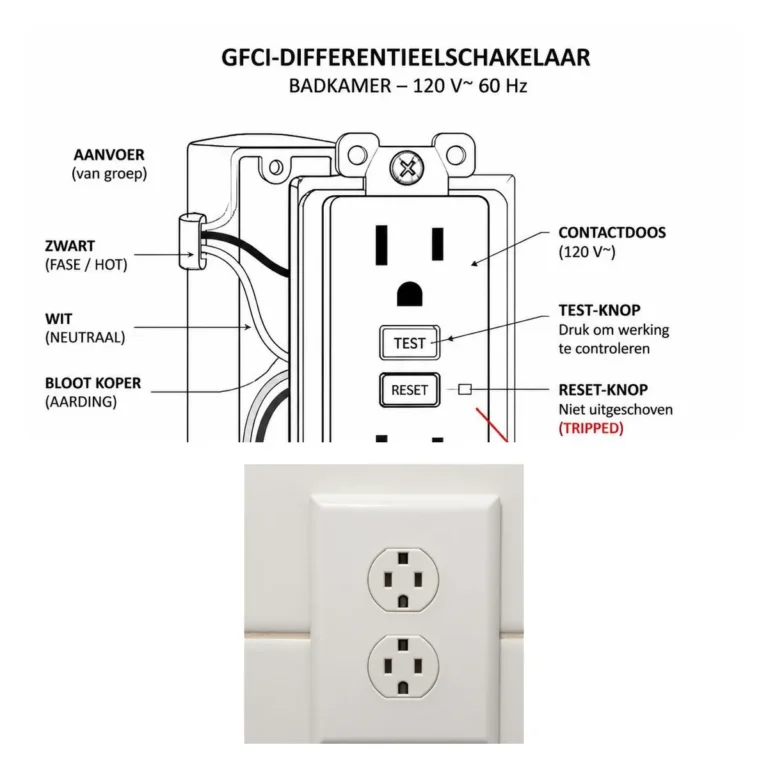 Available fault current decides whether your breaker can stop a short circuit. What the number on your breaker means, and when 10,000 amps is not enough.
- Federal Pacific Panel: Do You Have to Replace It?
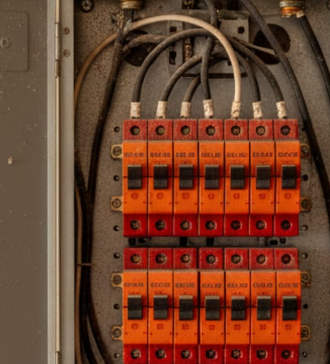 Somewhere between the offer and the closing, an inspector writes one line that stops everything: the home has a Federal Pacific panel,… Read more: Federal Pacific Panel: Do You Have to Replace It?
- Why Federal Pacific Breakers Fail, and Why Zinsco Fails Differently
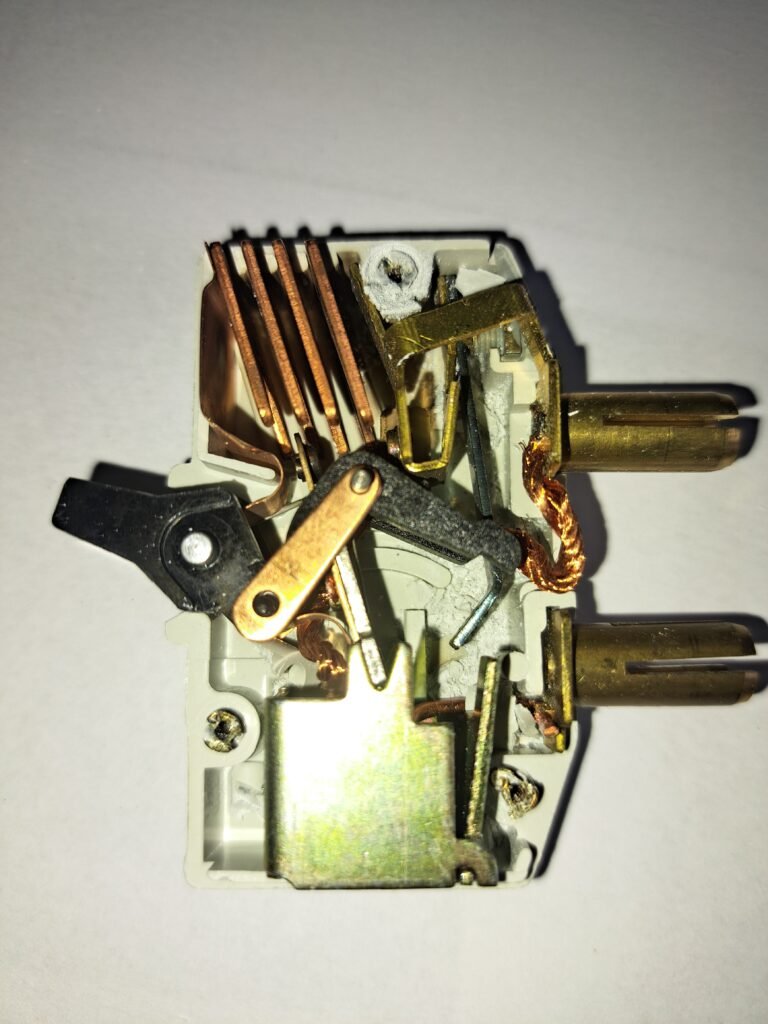 Ask around and you will be told that these panels are dangerous, that they cause fires, that they should come out. What… Read more: Why Federal Pacific Breakers Fail, and Why Zinsco Fails Differently
All guides on panels and breakers
Wiring and outlets
From the wire in the wall to the receptacle you plug into: wire size, old wiring, GFCI protection and wet areas.
- Space Heater Extension Cord: Why the Two Should Never Meet
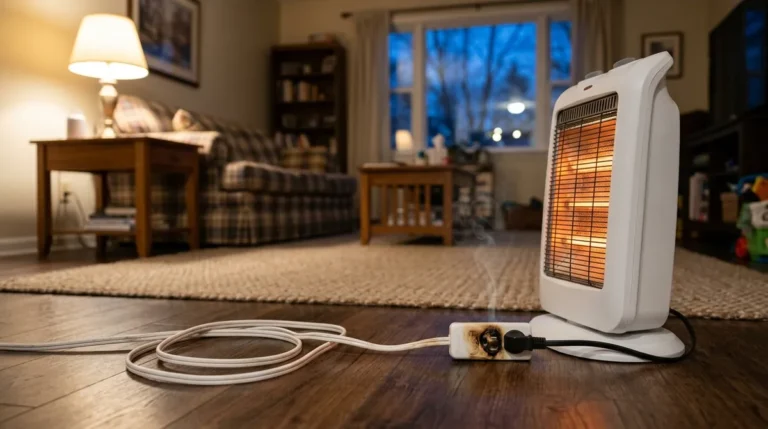 Space heater extension cord: why the combination overheats, why your breaker will not catch it, and the safe way to run a heater this winter.
- Backstabbed Outlets: Why Push-In Connections Work Loose and How to Fix Them
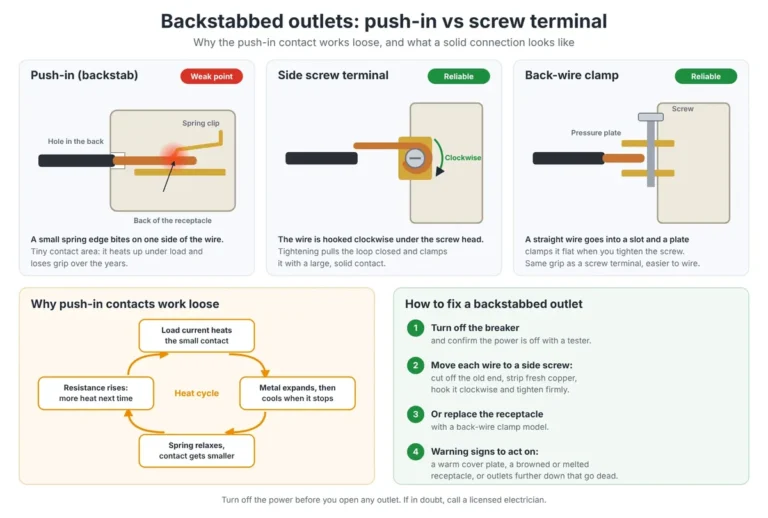 Backstabbed outlets explained: why push-in connections loosen, the warning signs of a loose connection, and how an electrician fixes it for good.
- IP Rating Explained: What IP44, IP65 and IP67 Really Mean
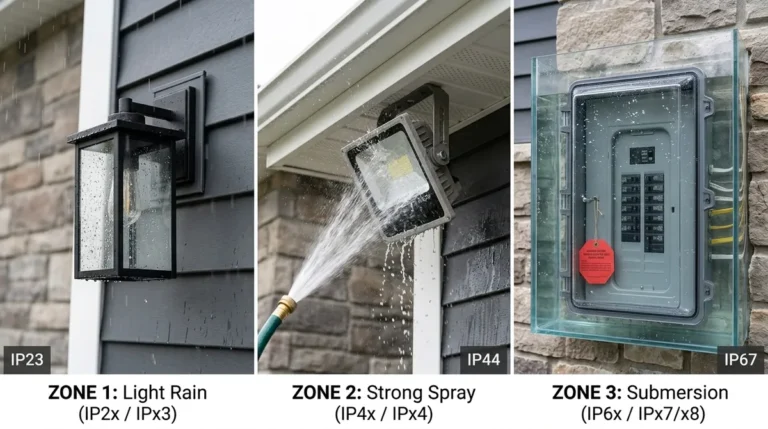 IP rating explained: what the two digits mean, how IP compares with NEMA types and wet location listings, and eight mistakes that let water in.
- Double Insulated Tools and Appliances: Why Some Plugs Have No Ground Pin
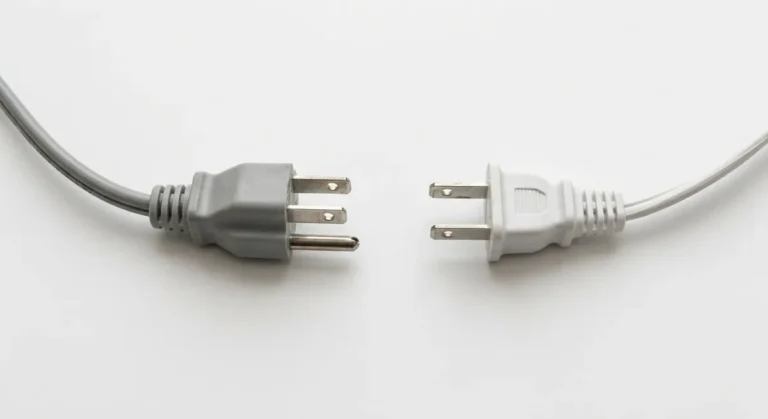 Double insulated or grounded? How each protects you from a shock, how to recognize them, why polarized is not grounded, and six mistakes that remove the protection.
- Two prong outlets in an old house: your three legal options
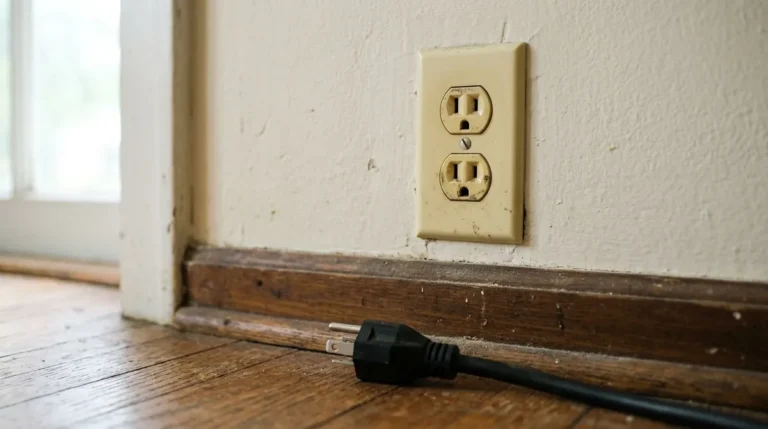 Two prong outlets tell you one thing right away: the wiring behind them was installed before grounding became standard in American homes,… Read more: Two prong outlets in an old house: your three legal options
- GFCI Requirements: Where the NEC Wants GFCI Protection in Your Home
 GFCI requirements by room under the 2023 NEC, the appliances that now need GFCI protection, and the outdoor air conditioner deadline explained.
- Bathroom Electrical Safety: What a European Inspector Noticed About American Bathrooms
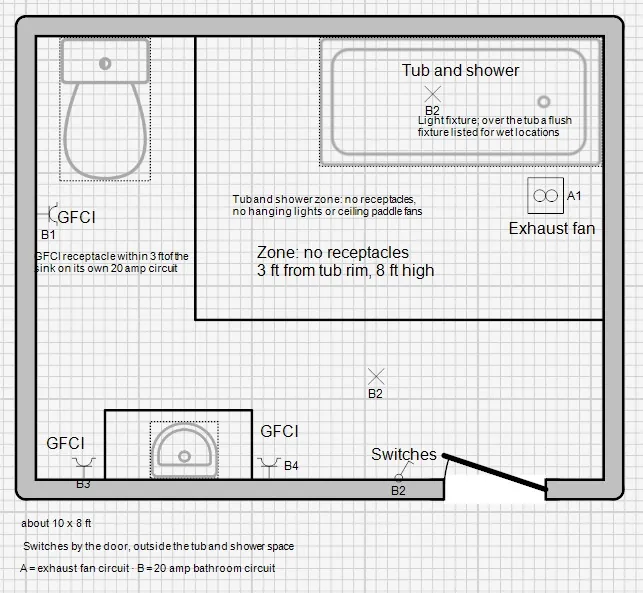 Bathroom electrical safety in the US protects device by device; Europe protects the whole room. What each system does better, and what to ask for when you remodel.
- Hot Tub Wiring: What the Circuit, the GFCI and the Disconnect Need
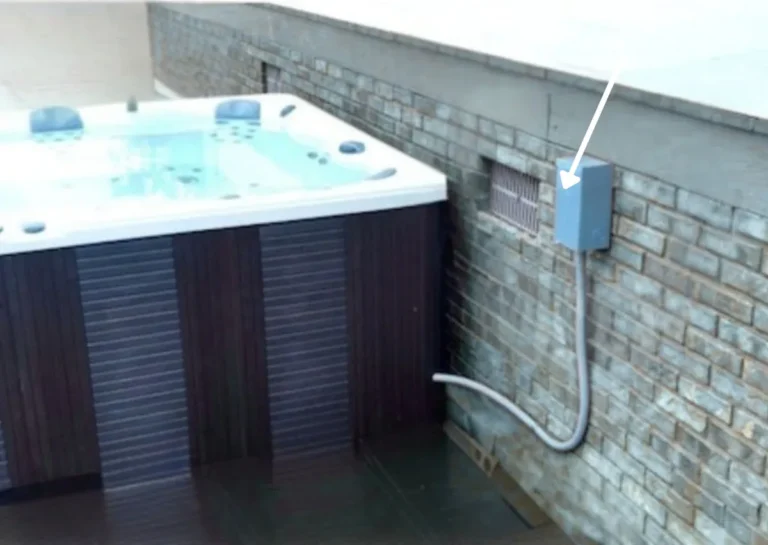 Hot tub wiring needs a dedicated circuit, GFCI protection and a disconnect at least 5 feet away. What the code requires and where installs go wrong.
- Aluminum Wiring Replacement: What a 1960s or 1970s House Actually Needs
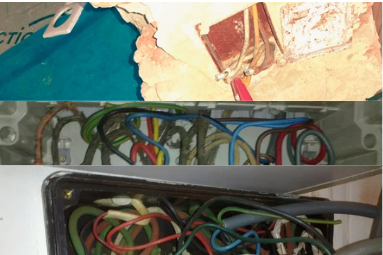 If your house went up between about 1965 and 1973, there is a fair chance the wire behind your outlets is aluminum… Read more: Aluminum Wiring Replacement: What a 1960s or 1970s House Actually Needs
- Wire Derating Explained: Why 12 AWG Is Not Always 20 Amps
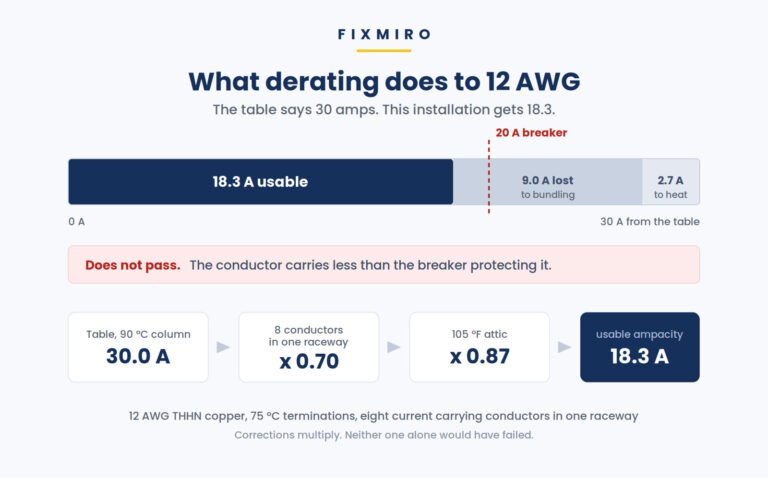 The short answer Wire derating is what happens between the number in the ampacity table and the number you are actually allowed… Read more: Wire Derating Explained: Why 12 AWG Is Not Always 20 Amps
- Old house wiring: do you really need to rewire?
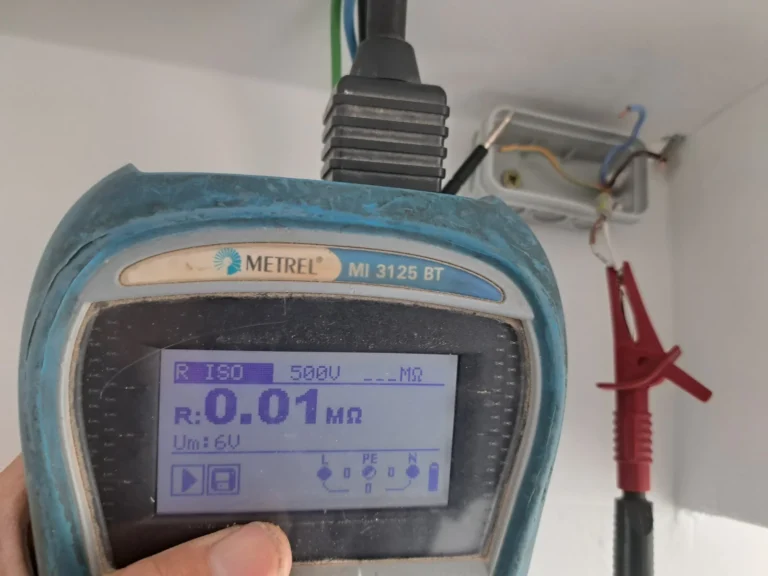 Old house wiring: do you really need to rewire? The short answer Not every old house needs a full rewire. In many… Read more: Old house wiring: do you really need to rewire?
- Wire Size for a 300 Foot Run to a Shed, Barn or Pool House
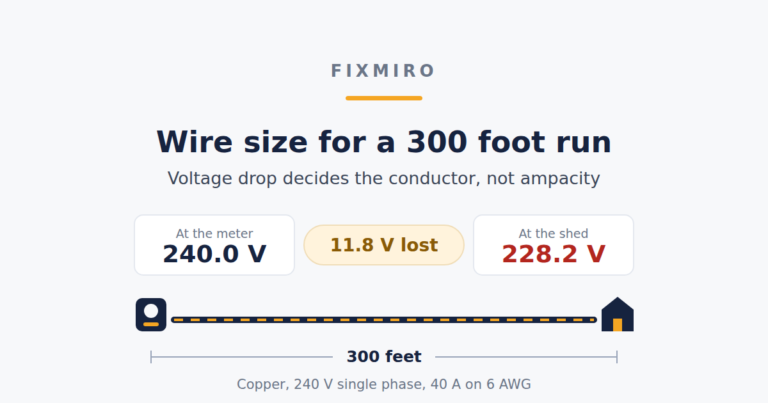 The short answer: the wire size for a 300 foot run is decided by voltage drop, not by how much current the… Read more: Wire Size for a 300 Foot Run to a Shed, Barn or Pool House
All guides on wiring and outlets
EV and solar
Whether your service can take a charger or an inverter, and what stays live on the roof after you flip the breaker.
- Level 1 vs Level 2 charging at home: which one do you need?
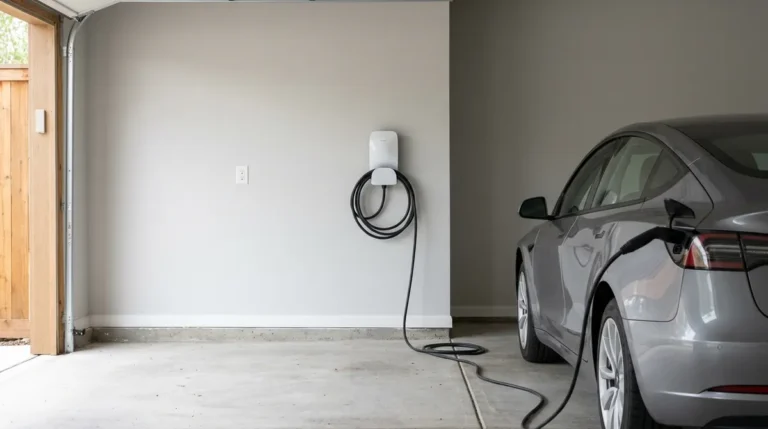 Level 1 vs Level 2 charging is the first decision every new EV owner faces at home, and it is usually framed… Read more: Level 1 vs Level 2 charging at home: which one do you need?
- Solar 120 Percent Rule: Why Your Panel May Not Take an Inverter
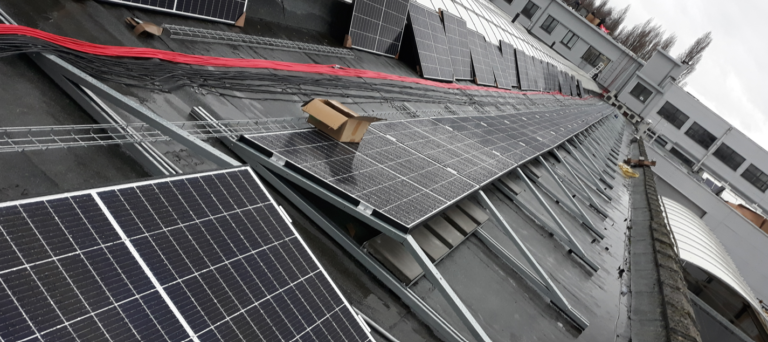 The solar 120 percent rule is the reason a quote for panels suddenly turns into a quote for panels and a new… Read more: Solar 120 Percent Rule: Why Your Panel May Not Take an Inverter
- 100 Amp Service EV Charger: Can Your Panel Handle It?
 A 100 amp service EV charger installation is the job most homeowners are told they cannot have. You ordered the car, you… Read more: 100 Amp Service EV Charger: Can Your Panel Handle It?
- Can you turn off your solar panels?
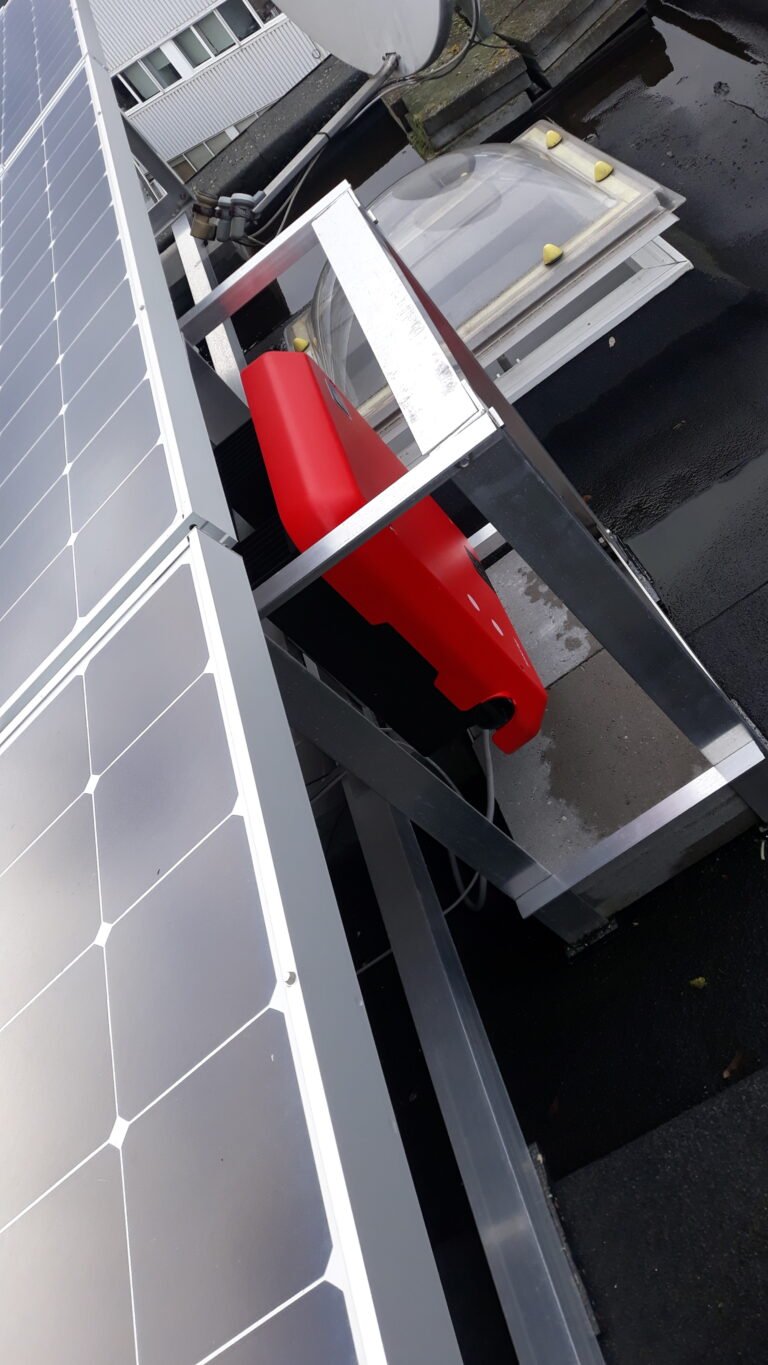 Can you turn off your solar panels? Not entirely, and the part that stays live is the part running across your roof.… Read more: Can you turn off your solar panels?
Inspections and permits
How to read an inspection report, and when the work in your home needs a permit.
- Electrical Red Flags When Buying a House: 12 Things to Check Before You Sign
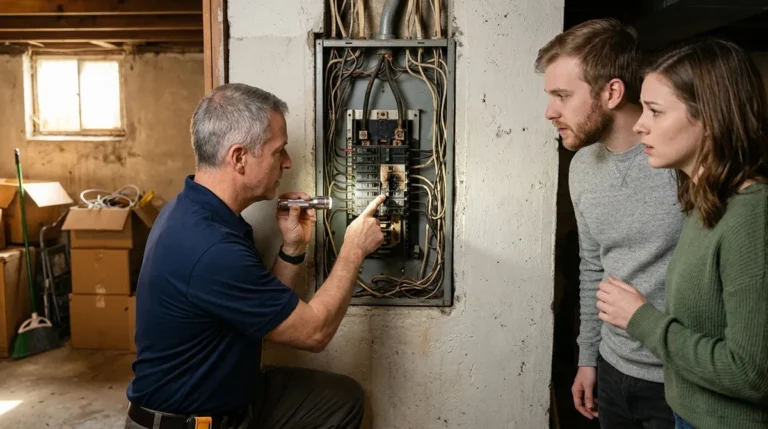 Electrical red flags when buying a house: the panels, wiring and warning signs that cost thousands to fix. What to look for at the showing, and what to do before closing.
- Rough-In Electrical Inspection: What the Inspector Checks Before the Drywall
 Rough-in electrical inspection explained: what the inspector checks while the walls are open, the mistakes that fail most often, and how to prepare.
- Failed Electrical Inspection: What Happens Next and How to Pass the Second Time
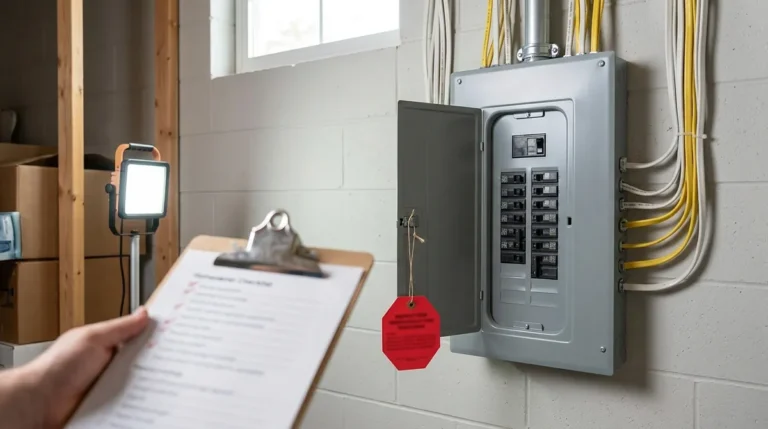 Failed electrical inspection? What the correction notice means, the most common reasons work fails, who pays for the fix, and how to pass the reinspection.
- Electrical Permit: When Do You Need One?
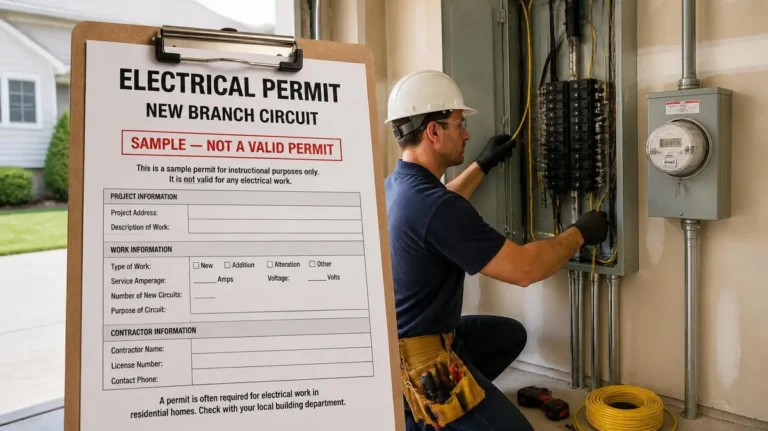 Electrical permit rules decide whether the work in your home gets a second pair of eyes before the walls close. An electrical… Read more: Electrical Permit: When Do You Need One?
- The 22 findings in every electrical inspection report
 Read enough of them and you notice that every electrical inspection report contains the same list. Different states, different decades, different builders,… Read more: The 22 findings in every electrical inspection report
All guides on inspections and permits
Want to run the numbers for your own home? The calculators are free and need no sign up.