
Rough-In Electrical Inspection: What the Inspector Checks Before the Drywall

Rough-in electrical inspection explained: what the inspector checks while the walls are open, the mistakes that fail most often, and how to prepare.

Rough-in electrical inspection explained: what the inspector checks while the walls are open, the mistakes that fail most often, and how to prepare.
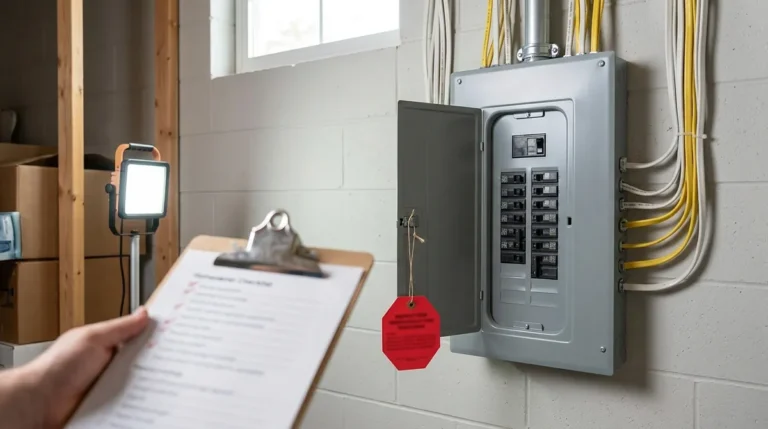
Failed electrical inspection? What the correction notice means, the most common reasons work fails, who pays for the fix, and how to pass the reinspection.
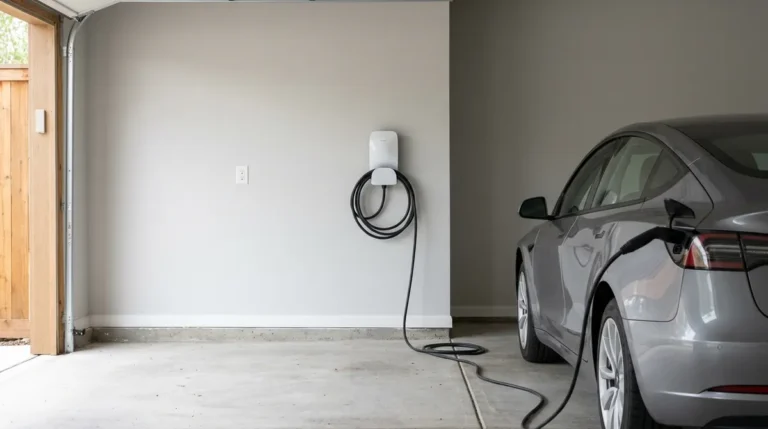
Level 1 vs Level 2 charging is the first decision every new EV owner faces at home, and it is usually framed as slow against fast. The better question is how many miles you need back each night, and what…
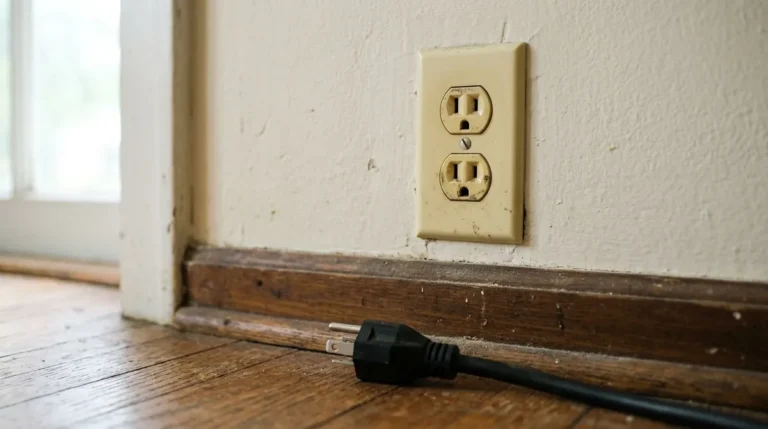
Two prong outlets tell you one thing right away: the wiring behind them was installed before grounding became standard in American homes, roughly before the early 1960s. The outlet still delivers power, your lamp still works, and yet every three…
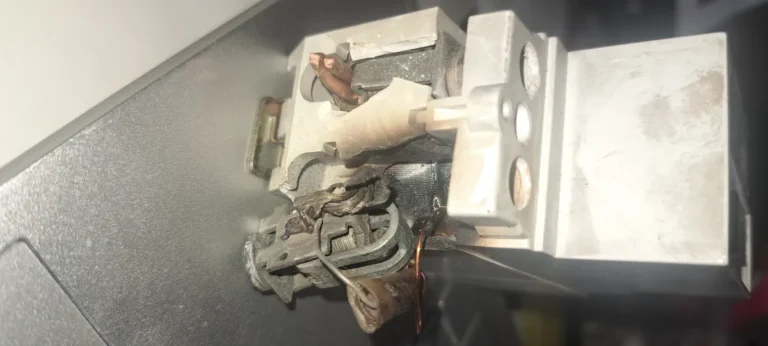
Double tapped breakers show up in a large share of home inspection reports, usually as one short line with a photo of the panel. A double tapped breaker is a breaker with two wires under a terminal that was built…
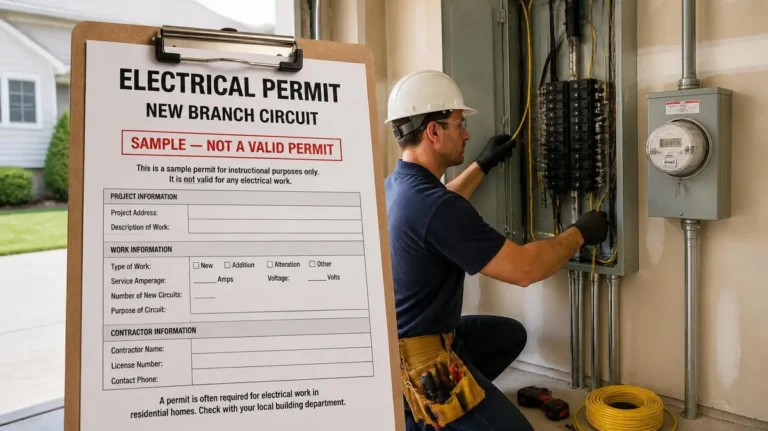
Electrical permit rules decide whether the work in your home gets a second pair of eyes before the walls close. An electrical permit is permission from your city or county to do a specific job, and it comes with an…
A 200 amp panel upgrade explained: when a load calculation says you need it, when you do not, what the job involves and what it costs in 2026.

GFCI requirements by room under the 2023 NEC, the appliances that now need GFCI protection, and the outdoor air conditioner deadline explained.
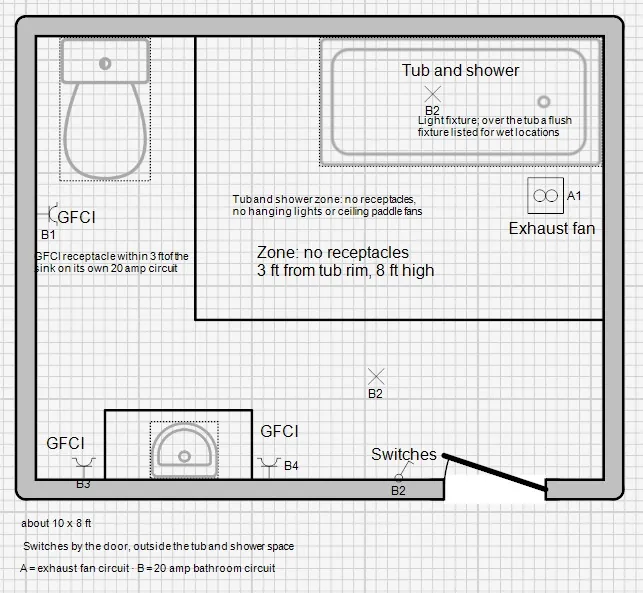
Bathroom electrical safety in the US protects device by device; Europe protects the whole room. What each system does better, and what to ask for when you remodel.
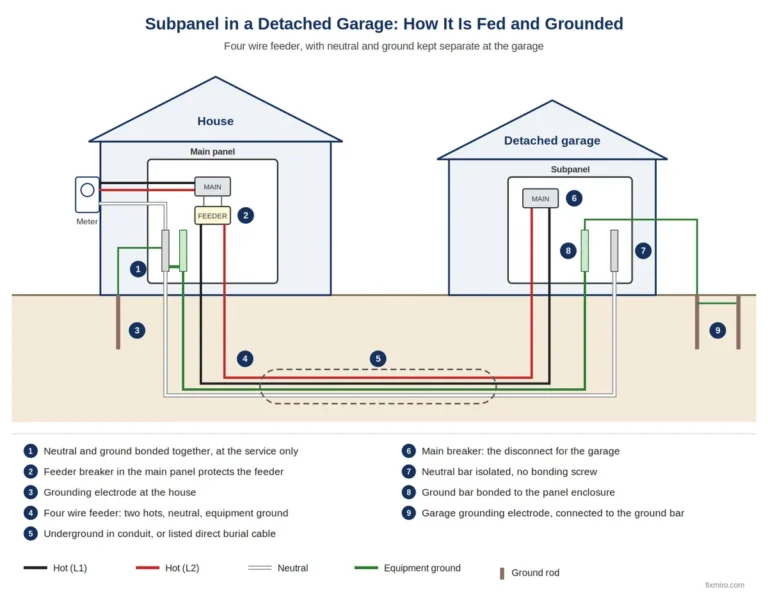
Subpanel in a detached garage: feeder size, the four wire rule, ground rods, disconnect and burial depth, plus the mistakes inspectors find most.